
 English
 русский
 عربى

Sixth-Gen Inverted & Straight-Line Wire Drawing: Precision, Stability, Durability
Author: Admin
Date: Oct 12,2026
A fastener plant processing cold heading wire sees batch-to-batch diameter variation of 0.05 mm, and punch life drops by nearly a third. The wire drawing line is the usual suspect: outdated capstans, inconsistent tension, and thermal drift push the material outside specification. That scenario is exactly what sixth-generation inverted and straight-line wire drawing technology was designed to eliminate. By integrating closed-loop tension control, high-stiffness frames, and drive-level electrical coordination, sixth-generation machines hold diameter tolerance, keep line speed stable across full coils, and extend die and capstan service life.
Content
- 1 What Defines the Sixth Generation of Inverted and Straight-Line Wire Drawing Machines
- 2 Inverted or Straight-Line: Structural Differences Drive Process Choices
- 3 Where Precision and Stability Come From in Sixth-Generation Wire Drawing Equipment
- 4 Durability Determines the Real Cost of Ownership
- 5 Four Criteria for Evaluating a Sixth-Generation Inverted or Straight-Line Machine
- 6 Frequently Asked Questions
What Defines the Sixth Generation of Inverted and Straight-Line Wire Drawing Machines
A sixth-generation wire drawing machine is defined by three measurable attributes: per-capstan closed-loop tension control, a high-stiffness machine frame, and integrated electrical drives that coordinate acceleration, deceleration, and spooling in real time.
Sixth-generation wire drawing technology equals closed-loop tension control plus a rigid frame plus integrated drive coordination, applied to both inverted vertical capstan and straight-line machine layouts.
The term "generation" refers to a compounding engineering standard, not a marketing label. On an inverted vertical capstan machine, the wire wraps around a vertical pull-in capstan and drops into a coiler below, so each capstan maintains a precisely controlled surface speed. On a straight-line machine, the wire passes through multiple dies along a single horizontal axis, with each die box mounted on a rigid base that resists deflection under full draw force.
The practical consequence is measurable. Sixth-generation lines commonly hold diameter tolerance within +/-0.01 mm across an entire coil, while conventional machines typically operate in the +/-0.03 mm range. For fastener wire, spring wire, and high-carbon steel wire producers, this difference translates directly into fewer downstream rejects and more predictable cold heading behavior.
Inverted or Straight-Line: Structural Differences Drive Process Choices
Choose an inverted vertical capstan machine when continuous coiling and compact floor space are priorities. Choose a straight-line machine when the process demands high total reduction and inter-pass cooling.
Inverted Vertical Capstan
Wire is pulled over a vertical capstan and coiled below the machine. This layout keeps floor space small and supports continuous high-speed output for low- and medium-carbon wire heading into fasteners, mesh, and galvanizing lines.
Straight-Line
Every die is aligned on one horizontal axis, and each drawing block has independent cooling and lubrication. The arrangement supports higher total reduction with better temperature control, which is why stainless steel, spring steel, and rope wire producers rely on it.
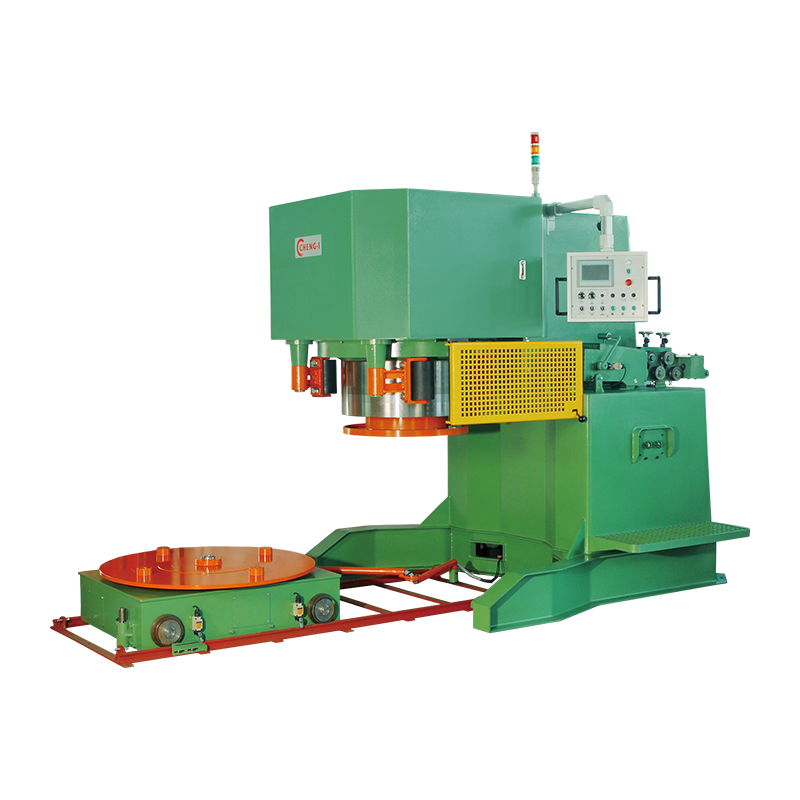
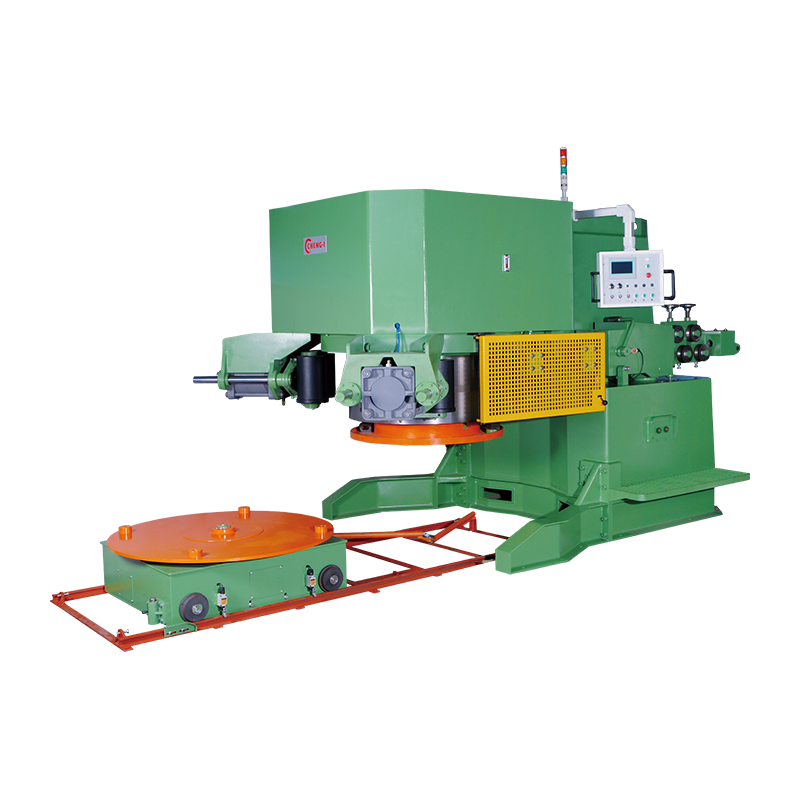 Inverted Vertical Capstan Wire Drawing MachineThis single-draft machine handles ferrous, non-ferrous, and alloy wires with water-cooled capstans and dies, offering precise per-block control and stable thermal performance for demanding wire production.View Product →
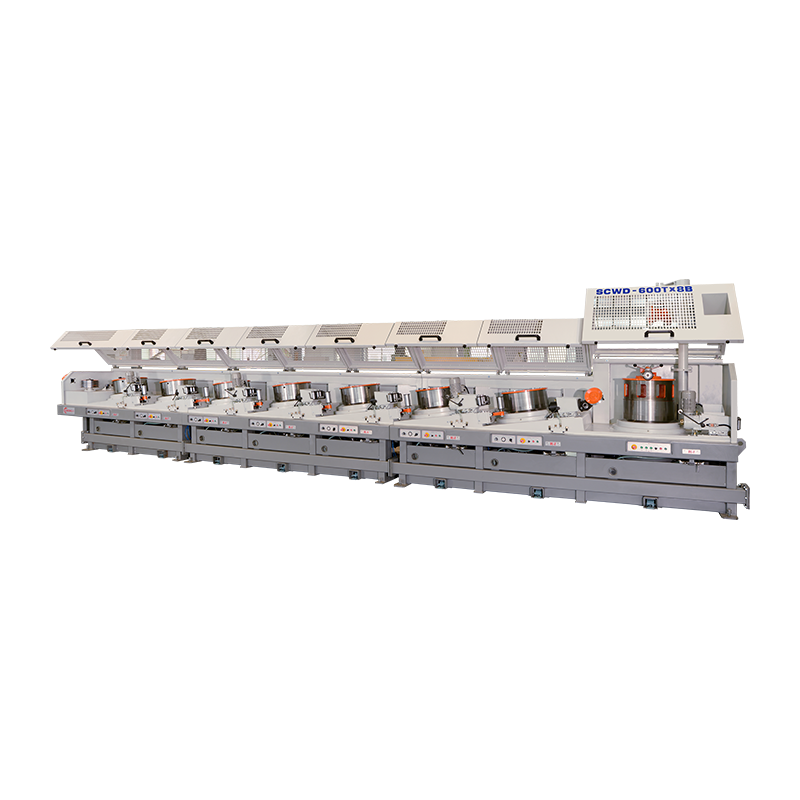
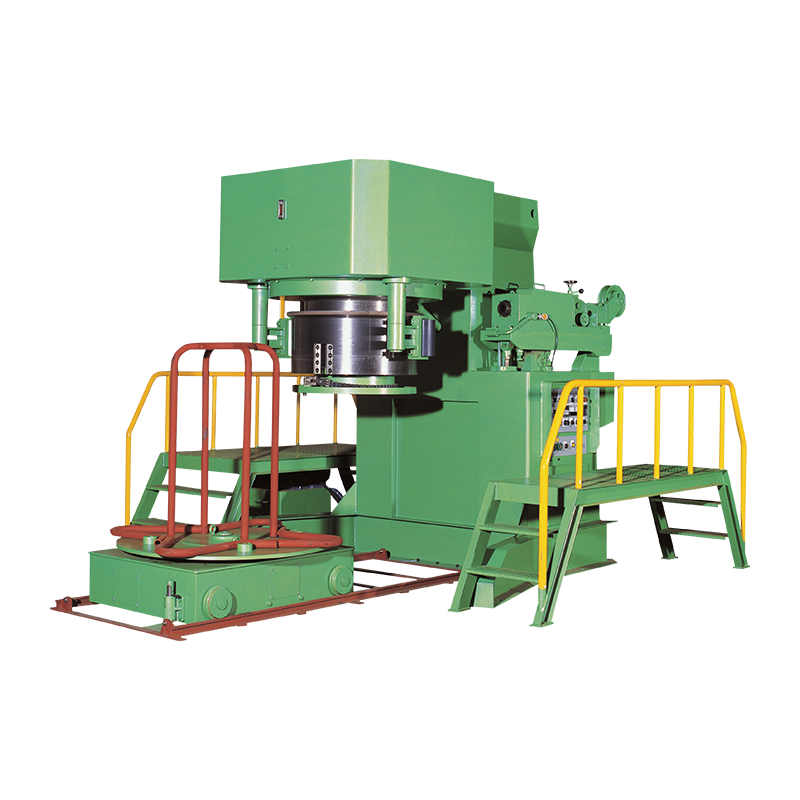
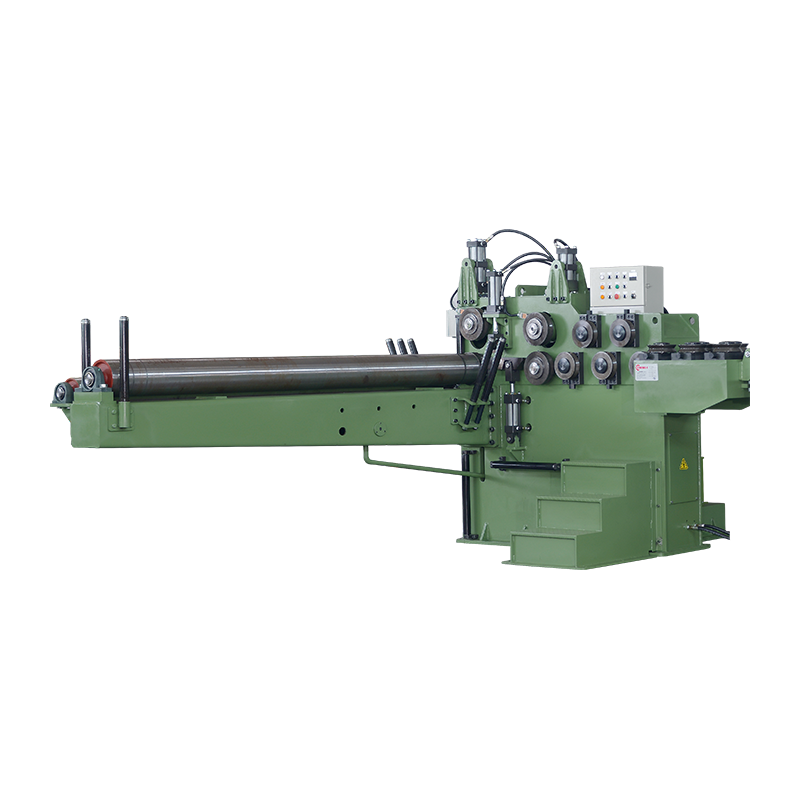
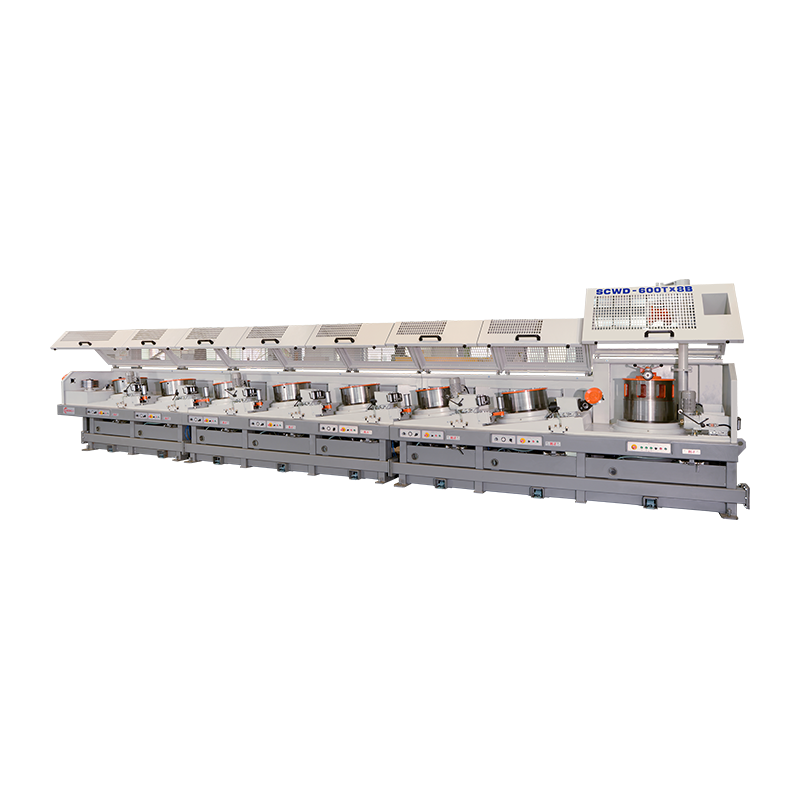 Straight Line Wire Drawing MachineA heavy-duty, high-speed drawing machine for low to high carbon, stainless, and alloy wires, with 2-16 drafts and dancer-arm speed control, built for precise tension and consistent quality.View Product →
| Characteristic | Inverted Vertical Capstan | Straight-Line |
| Wire path | Vertical around capstan | Horizontal through aligned dies |
| Floor space | Compact | Extended line length |
| Cooling | Capstan water cooling | Inter-pass cooling at each block |
| Typical material | Low- and medium-carbon wire | High-carbon, spring, and stainless steel |
| Best suited for | High-speed coiling, fastener wire | High reduction, precise metallurgy |
+/-0.01 mm Diameter tolerance on sixth-generation lines
3 t Continuous coil weight supported
30-40% Die life improvement versus older lines
300 m/min Typical maximum line speed range
Where Precision and Stability Come From in Sixth-Generation Wire Drawing Equipment
Precision comes from per-block drive control; stability comes from thermal management and vibration control.
On a sixth-generation straight-line wire drawing machine, each capstan has its own motor and encoder. The control system compares actual speed against target speed continuously. When payoff reel weight changes or a die warms up, the drive compensates instantly, which is how the +/-0.01 mm tolerance band remains intact over an entire coil.
Drawn wire diameter tolerance by machine generation
Conventional
Sixth-gen
Thermal stability is equally critical. Drawing high-carbon steel generates substantial heat at the die and capstan interfaces. If the frame expands unevenly, die alignment shifts and diameter drifts. Sixth-generation machines address this with water-cooled capstans, ventilated die boxes, and lubricant circuits that hold a stable operating temperature. A rigid frame with damped mounts prevents resonant vibration from reaching the drawing path, keeping surface quality uniform even above 200 m/min.
Durability Determines the Real Cost of Ownership
Durability in sixth-generation wire drawing equipment comes from three sources: wear-resistant materials, vibration-resistant structures, and maintenance-oriented design.
Capstans and draw blocks wear fastest. High-carbon steel with residual scale can wear a conventional capstan surface within months. Sixth-generation machines use tungsten carbide coated capstans or induction-hardened surfaces that run tens of thousands of hours before reconditioning. A welded or cast frame that has been stress-relieved resists alignment drift better than a bolted structure.
For heavy industrial wire drawing operations, maintenance access is part of the design. Split die boxes, quick-release capstan covers, and centralized lubrication reduce typical service events from eight hours to two. Across a ten-year operating horizon, that difference shows up in both uptime and total repair cost.
Die cost per ton of drawn wire is the largest consumable item on a wire drawing line. A 30% improvement in die life reduces total operating cost more than any other single variable.
Four Criteria for Evaluating a Sixth-Generation Inverted or Straight-Line Machine
Evaluate drive topology, frame stiffness, control capability, and life-cycle support before you specify a sixth-generation wire drawing machine. These four filters compress a multi-week equipment selection process into a structured comparison.
- Drive topology. Confirm that every capstan has its own motor and encoder. Shared gear drives cannot provide the per-pass tension control that defines sixth-generation precision.
- Frame construction. Look for welded or cast frames that have been stress-relieved. Ask for finite element analysis on critical nodes if the builder offers it.
- Closed-loop control. Tension feedback should be standard, not an expensive option. Ask how often the control loop samples and how the system handles a sudden change in payoff tension.
- Life-cycle support. Check spare parts stocking levels, response time, and whether the builder has a local service presence for your production region.
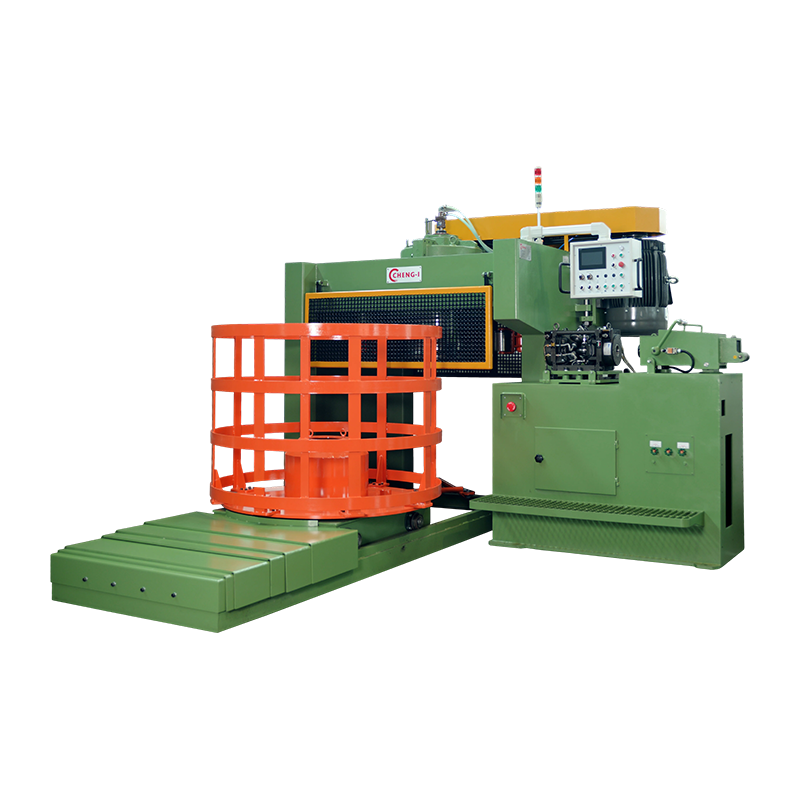
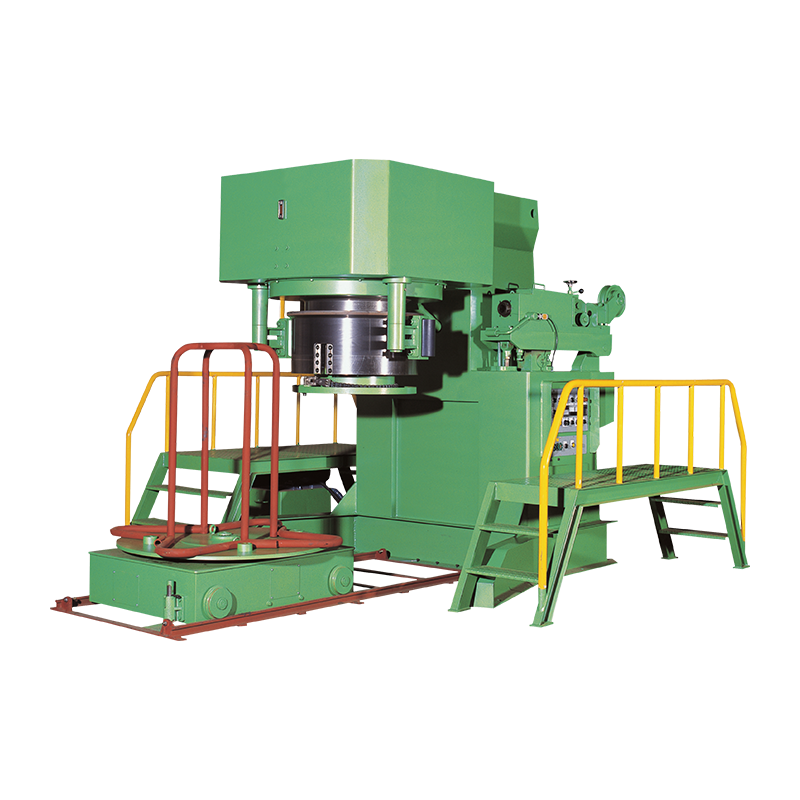 Inverted Vertical Capstan Wire Drawing Machine (Double Draft)This double-draft model provides two passes in one machine, with water-cooled capstan and direct die cooling, improving efficiency for ferrous and alloy wire production while reducing floor space.View Product →
Machine builders with full factory planning capability can align the drawing machine with descaling, payoff, take-up, and cutting equipment, which reduces integration risk and shortens project timelines.
Frequently Asked Questions
What is the main difference between inverted and straight-line wire drawing machines?
Inverted vertical capstan machines wrap the wire around a vertical capstan and coil it below, saving floor space and enabling continuous operation. Straight-line machines pass the wire horizontally through multiple dies, providing better inter-pass cooling and higher total reduction.
How much does sixth-generation wire drawing technology improve diameter tolerance?
The improvement is usually from +/-0.03 mm down to +/-0.01 mm, depending on material and line condition. This comes from per-capstan closed-loop tension control and thermal stabilization.
What makes a wire drawing machine sixth-generation?
Three attributes: closed-loop tension control on every block, a high-stiffness frame, and integrated electrical drive coordination. Both inverted vertical capstan and straight-line machines can be built to this standard.
How long do capstans last on a modern wire drawing machine?
With tungsten carbide coated surfaces, capstans typically run tens of thousands of hours before reconditioning. Actual life depends on material hardness, drawing speed, and lubrication quality.
Contact Us Now
Related products
Related News
 For precision wire machinery or
integrated plant solutions, please
contact the
CHENG I Sales & Engineering Team.


Product Category
Wire Descaling Machine WIRE DRAWING MACHINE Take-Up Coiler Cutting Machine Pay-Off Machine Other Equipment/AccessoriesContact Us

+86-563-6616199 (Ext: 105, 103, 111)

+86-15167365999

John Wang & Elaine Zhao

sales@chengiwire.com

No. 8 Keji Road, North District, Guangde Economic Development Zone, Xuancheng City, Anhui Province, China
Copyright © CHENG I Wire Machinery Co. Ltd. All
Rights
Reserved
Wire Machinery Manufacturer | CHINA
