
 English
 русский
 عربى

What Is a Wire Descaling Machine? Types, Working Principle, and Selection
Author: Admin
Date: Oct 26,2026
Hot-rolled wire rod never arrives clean. As a coil cools after rolling, iron at the surface reacts with oxygen in the air and forms a hard, brittle layer that everyone in the mill calls scale. On carbon steel rod it runs roughly 0.02 to 0.05 mm thick, and every bit of it is trouble downstream: it scores drawing dies, scratches the wire, and presses into the surface as pits and flakes when it survives to the die. A wire descaling machine is the equipment built to remove that layer first.
This guide explains what such a machine does, how mechanical descaling works, where it beats acid pickling, and what to check before specifying one.
Content
- 1 What Is a Wire Descaling Machine?
- 2 Why Descaling Matters Before Drawing
- 3 How a Wire Descaling Machine Works: Bending, Brushing, and Belts
- 4 Mechanical Descaling or Acid Pickling?
- 5 Where the Descaler Sits in a Complete Wire Line
- 6 Five Checks Before Specifying a Wire Descaling Machine
- 7 Wire Descaling Machine: Frequently Asked Questions
What Is a Wire Descaling Machine?
A wire descaling machine is industrial equipment that strips the oxide scale layer from hot-rolled wire rod or drawn wire, so that drawing dies, coatings, and finished surfaces never meet hard oxide particles. In a standard line it sits right after the pay-off stand, before the first drawing block.
Definition
Wire descaling machine: equipment that cracks, lifts, and sweeps the iron oxide layer off wire rod or wire through mechanical flexing, brushing, abrasive belts, or acid, leaving clean steel for the next process.
The scale is a sandwich of iron oxides: hematite outside, magnetite in the middle, wustite against the steel. It grows quickly at rolling temperature and is far harder than the steel underneath, which is why it cannot be left in place.
Suppliers treat the stage as foundational: Cheng I Wire Machinery, founded in Taiwan in 1970, builds descaling machines alongside drawing machines, coilers, and pay-offs for complete plant lines.
Scale that reaches a drawing die does not vanish: it cuts the die and the wire, or it is pressed flat into the surface, where it reappears as flaking under zinc or paint.
Why Descaling Matters Before Drawing
Descaling is the cheapest insurance a drawing line can buy: one stage protects die life, surface finish, and coating adhesion at once.
0.02-0.05mmTypical oxide scale thickness on hot-rolled rod
0liters of acidConsumed by a mechanical descaling stage
1970foundedYear Cheng I began building wire process equipment
Hard oxide particles behave like grinding paste at the die interface. Draw through them and polishing intervals shorten, wire diameter wanders, and scratches force rework or downgrade. Scale pressed into the surface leaves pits that reject phosphate coating and give uneven zinc, so the defect shows only after plating, when it costs the most.
The link between clean wire and stable drawing is well documented; our explainer on how wire descaling improves drawing quality, die life, and surface finish follows the mechanisms die by die.
Die regrinds and scrapped coils cost more each year than the descaling stage that prevents them.
How a Wire Descaling Machine Works: Bending, Brushing, and Belts
Mechanical descaling machines work in two motions: they flex the rod until the brittle oxide cracks loose, then sweep the particles away before the wire moves on.
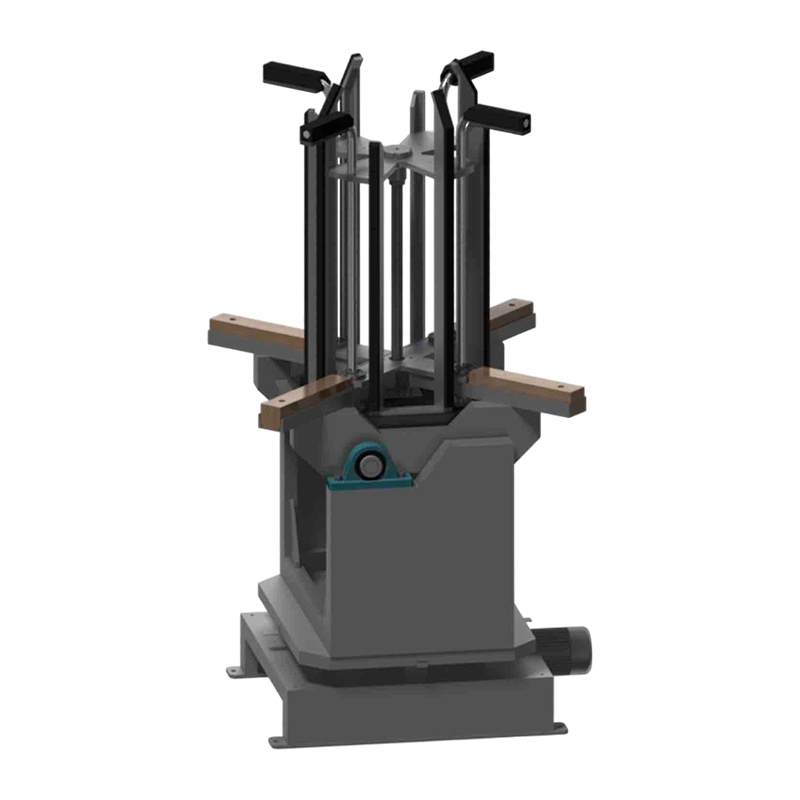
In a reverse bending descaler, the rod runs through grooved sheaves that bend it alternately in opposite directions. Steel bends; iron oxide does not. Repeated flexing shatters the scale, wire brushes behind the unit clear the residue, and dust extraction gathers the particles.
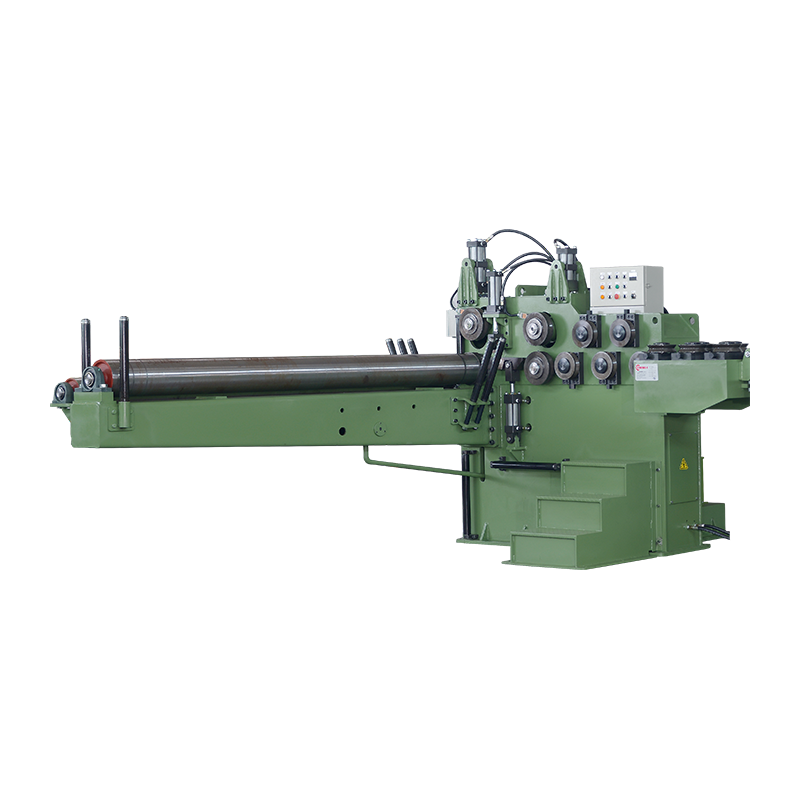
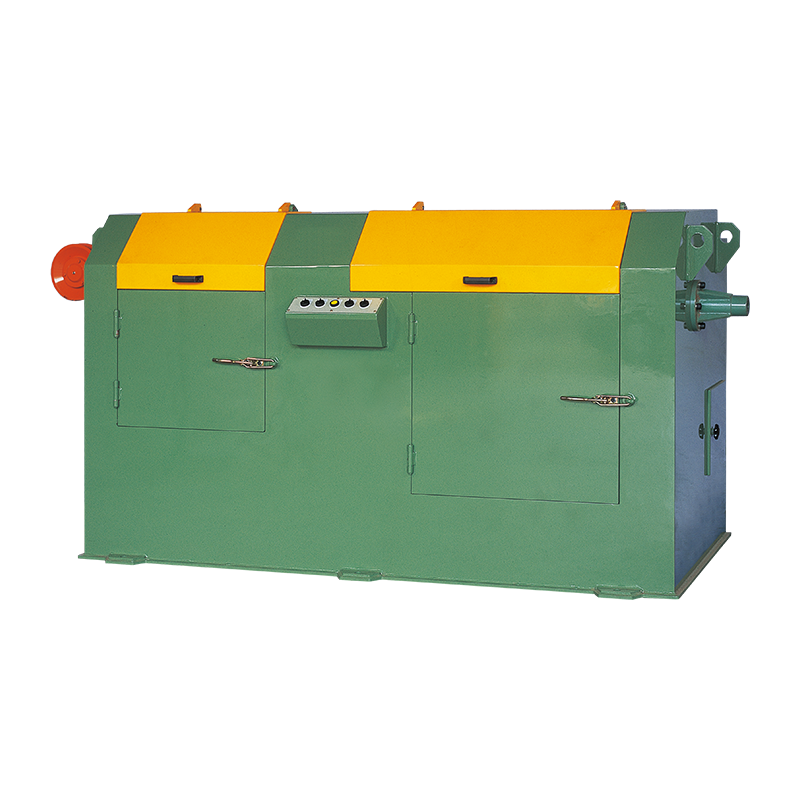 Reverse Bending Wire Descaling MachineThis bending descaler flexes rod through grooved sheaves to shatter mill scale without chemicals, with wire brushes clearing residue. It suits carbon grades up to 16mm, handling surface prep before brushing or drawing.View Product →
Where the surface spec tightens, an abrasive belt descaler replaces or follows the brushes. It removes scale plus a micro-layer of steel and leaves a bright, uniform finish suited to stainless wire and plating-quality work. Brushing stays the workhorse for standard carbon grades.
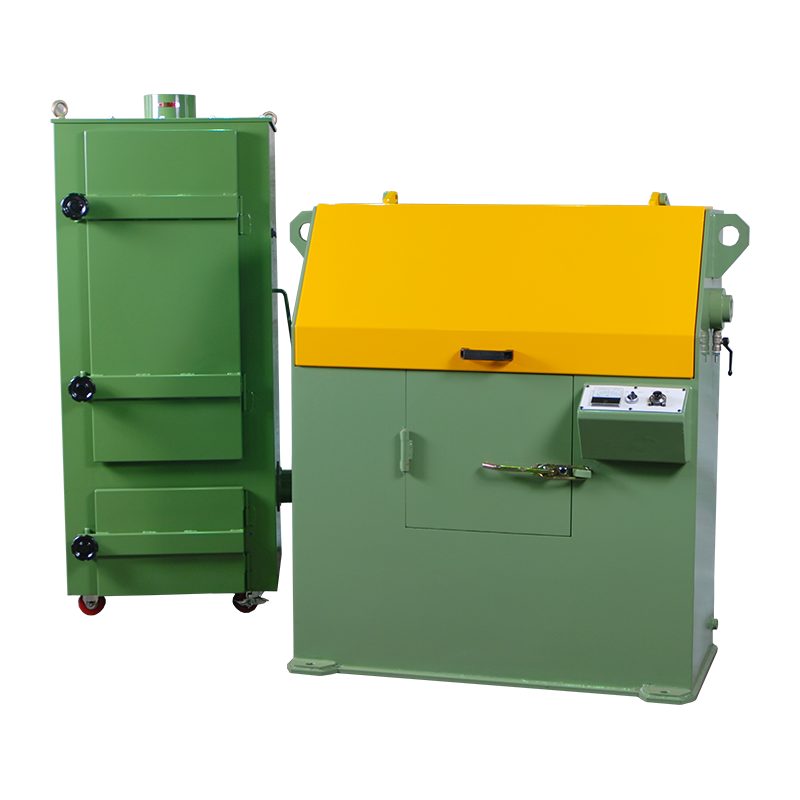
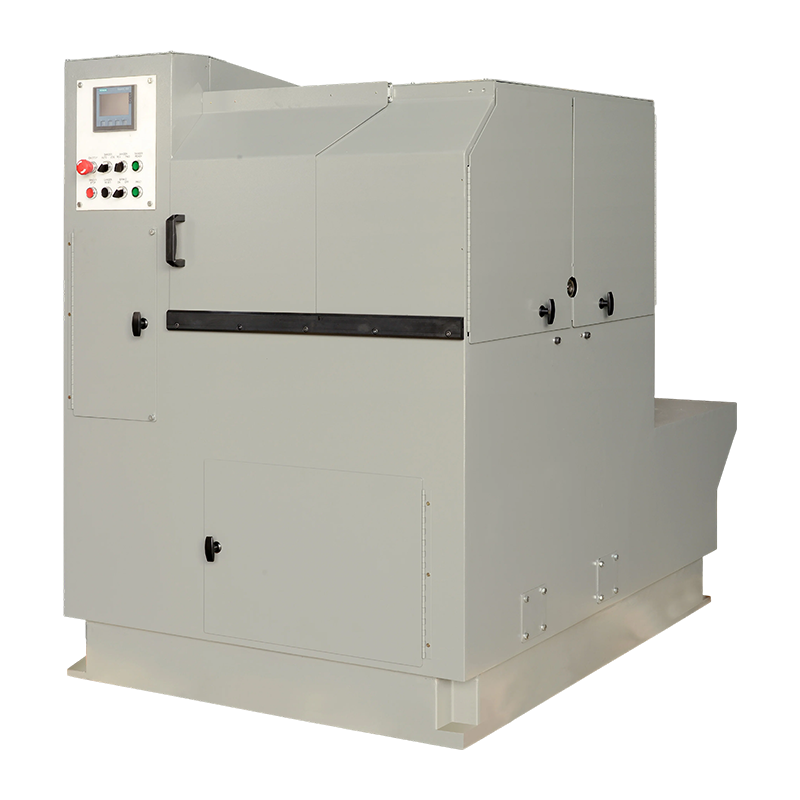 Abrasive Belt Wire Descaling MachineWhen brushing leaves scale behind, this single-head belt descaler removes a micro-layer of steel for a bright, plating-quality finish on stainless and carbon rod at drawing speeds, with a dust collector included.View Product →
| Method | How it removes scale | Consumables and waste | Typical use |
| Reverse bending | Rod flexed over grooved sheaves until brittle scale cracks off | None; dry scale dust to extraction | Rod prep before drawing |
| Bending plus brushing | Bending stage followed by rotating wire brushes | Brush wear only | Standard carbon steel drawing |
| Abrasive belt | Belt grinds off scale and a micro-layer of steel | Belt wear; belt dust | Bright finish, stainless, plating quality |
| Acid pickling | Acid dissolves the oxide chemically | Spent acid and rinse water treatment | Heavy scale, alloy grades, existing acid plants |
One pass of bending rarely reaches pickling cleanliness. Lines that need very clean surfaces stack the methods: bend, brush, then belt or coat, each stage handing a cleaner wire to the next.
Mechanical Descaling or Acid Pickling?
For most carbon steel rod, mechanical descaling reaches drawing cleanliness without acid; pickling stays relevant for heavy scale, alloy grades, and plants that already run acid treatment.
Mechanical descaling
No spent acid or rinse water to treat
Dry scale dust captured by extraction
Consumables are brushes, belts, power
No acid storage permits or tank fumes
Acid pickling
Dissolves scale completely, even in seams
Handles heavy scale and alloy oxides
Needs acid storage, fume extraction, neutralization
Spent acid disposal is regulated and costly
Approximate one-pass scale removal by method
Reverse bending88%
Bending plus brushing95%
Abrasive belt97%
Acid pickling99%
Approximate values for carbon steel rod; results vary with grade, scale thickness, and line speed.
The decision usually comes down to the waste stream: a mechanical line yields dry scale dust a collector handles, while pickling yields spent hydrochloric or sulfuric acid that needs neutralization or regeneration.
Grade matters too. High carbon steel wire for springs, prestressing strand, and steel cord tolerates almost no surface damage, so buyers pair mechanical descaling with tighter finishing; see high-carbon steel wire applications.
Rule of thumb: when the waste permit, not the wire spec, is the constraint, mechanical wins; when cleanliness demands are extreme, pickling or a hybrid line still earns its slot.
Where the Descaler Sits in a Complete Wire Line
The descaler is stage two of five in a standard wire line, and its settings must match the pay-off feeding it and the coating unit behind it.
Pay-off
A stationary, rotary, or overhead pay-off releases the rod under controlled tension.
Descaling
Bending, brushing, or belt stages strip the oxide layer from the rod surface.
Cleaning and coating
A dry coating unit or wet cleaning and drying unit applies a lubricant carrier so drawing powder reaches the first die.
Drawing
A straight-line or OTO drawing machine reduces the wire die by die to finished size.
Take-up
Coilers or spoolers wind the drawn wire into dense, even coils.
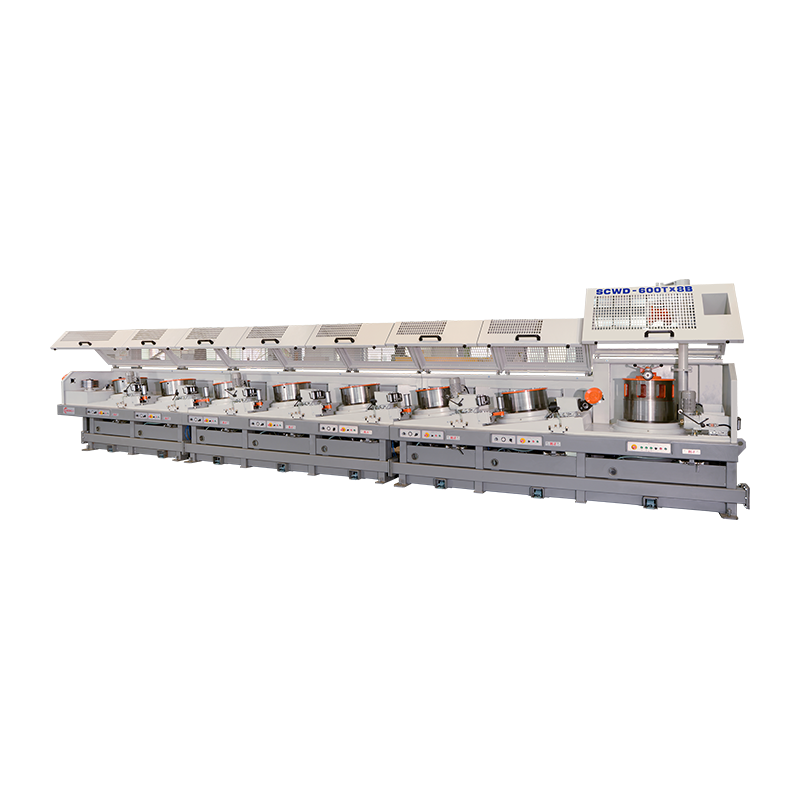 Straight Line Wire Drawing MachineAs the stage following descaling and coating, this high-speed drawing machine with 2–16 drafts must match line speeds to prevent breaks and loose coils, drawing carbon, stainless, and coated wire.View Product →
Because each stage feeds the next, mismatched speeds appear as wire breaks and loose coils. Many buyers source the chain from one supplier: Cheng I supplies the full sequence and plans complete plants, so descaler, coating unit, and drawing blocks run at one speed.
A descaler bolted onto a line it was never sized for creates more problems than it solves; sequence and speed matching decide the result as much as the machine itself.
Five Checks Before Specifying a Wire Descaling Machine
Match the machine to your rod, your cleanliness target, and your line speed, and most buying mistakes disappear before the quotation stage. Five checks filter the wrong choices fast.
- Rod diameter and strength range. The bending unit must flex your largest diameter at your highest carbon grade, not just the grade you draw most.
- Cleanliness target. Standard fastener drawing tolerates bending plus brushing; galvanizing, plating, and stainless specs usually demand a belt stage or pickling backup.
- Speed matching. The descaler must hold pay-off and first-block speed without tension spikes, or savings vanish as wire breaks.
- Scale and dust handling. Ask where removed scale goes: extraction capacity, collection bins, and how often they need emptying each shift.
- Wear parts and service. Brushes, belts, and sheaves are consumables; confirm spare availability and response time. Cheng I backs installed machines with round-the-clock service from Taiwan and its Guangde plant in mainland China.
Most descaling complaints trace back to one of these five checks, not to the machine itself; audit them before blaming the hardware.
Wire Descaling Machine: Frequently Asked Questions
What exactly does a wire descaling machine remove?
Iron oxide scale that forms while hot rod cools in air, mainly hematite, magnetite, and wustite. Brushing and belt stages also clear loose rust and leave the surface ready for coating.
Can mechanical descaling fully replace acid pickling?
For most carbon steel drawing work, yes: bending plus brushing delivers the cleanliness drawing needs without acid. Pickling remains the reference where scale must be removed almost completely or on alloy grades with stubborn oxide.
What is reverse bending descaling?
The rod is flexed alternately around grooved sheaves so the brittle oxide cracks and falls away while the ductile steel survives; rotating brushes then sweep the residue clear.
How much upkeep does a descaling machine need?
Mostly consumables and housekeeping. Brushes and abrasive belts wear with tonnage, sheaves eventually need re-grooving, and extraction filters need regular cleaning. Keep spare brush and belt sets so a worn part never stops the line.
Before you commit, send the supplier a sample of your own rod. A half-day bending and brushing trial on your grade, at your speed, answers questions no brochure can.
Contact Us Now
Related products
Related News
 For precision wire machinery or
integrated plant solutions, please
contact the
CHENG I Sales & Engineering Team.


Product Category
Wire Descaling Machine WIRE DRAWING MACHINE Take-Up Coiler Cutting Machine Pay-Off Machine Other Equipment/AccessoriesContact Us

+86-563-6616199 (Ext: 105, 103, 111)

+86-15167365999

John Wang & Elaine Zhao

sales@chengiwire.com

No. 8 Keji Road, North District, Guangde Economic Development Zone, Xuancheng City, Anhui Province, China
Copyright © CHENG I Wire Machinery Co. Ltd. All
Rights
Reserved
Wire Machinery Manufacturer | CHINA
